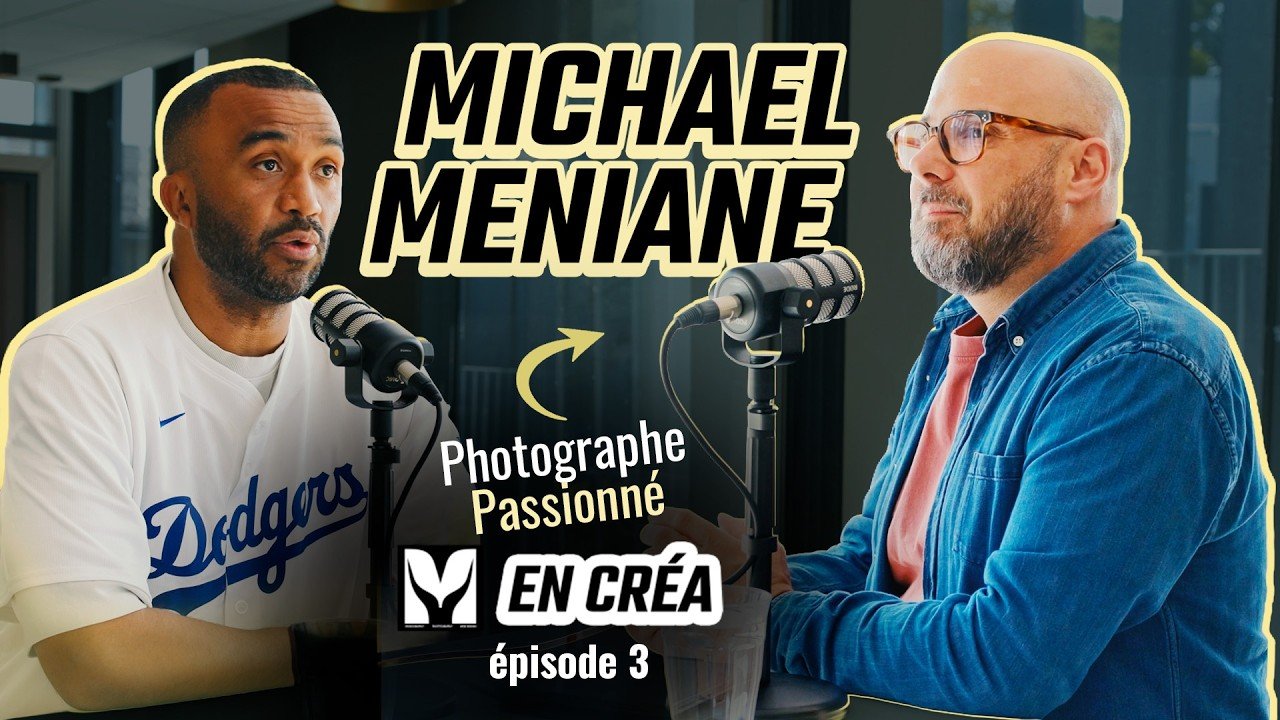
For the first episode of my podcast En créa, devoted to creativity and entrepreneurship, I chose to welcome someone who profoundly shaped the way I see music and creativity: my father. A Malagasy musician who left his mark on the 70s and 80s in Madagascar, he is one of the pioneers of Salegy, a musical style that has become a fixture of the country.
A passion born in childhood
From a very young age, my father discovered music through artists such as Johnny Hallyday, Joe Dassin and Michel Polnareff. At 11, his parents gave him his first guitar. Back then, in the 1960s, there were virtually no music schools in Madagascar. So he taught himself, by watching others play.
“An artist remains an artist for life, even far from the media spotlight.”
Michael Siatothro
Salegy and the roots of northern Madagascar
Over time, he developed a passion for Salegy, a rhythmic, highly physical music from northern Madagascar. Through his songs, he helped popularise the style across the country, notably with tracks such as Biloubetananane. He also chose to sing in the Antankarana dialect, spoken in the Antsiranana region, formerly Diego-Suarez. A bold artistic choice, intended to shine a light on the culture and identity of northern Madagascar.
Ten years of success in Madagascar
Between the ages of 20 and 30, my father enjoyed great popularity in Madagascar thanks to several now-iconic songs such as Diego Suarez, Zambul B. Tananane and Alleluia Amen. His songs speak of everyday life, human relationships and the social realities of the time, creating a powerful bond with his audience.
Leaving Madagascar, without ceasing to be an artist
After several successful years, he decided to leave Madagascar in search of new horizons. He first spent time in England before settling in France, where he has lived for more than forty years. In this conversation, he also shares a deeply personal vision of art: for him, an artist remains an artist for life, even far from the media spotlight. The episode closes on transmission, legacy and the importance of leading by example in nurturing creativity.